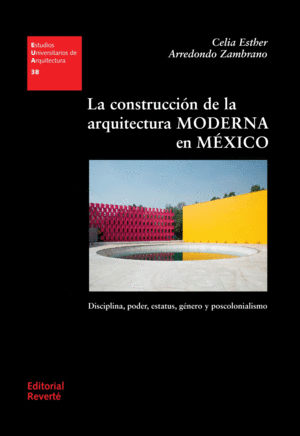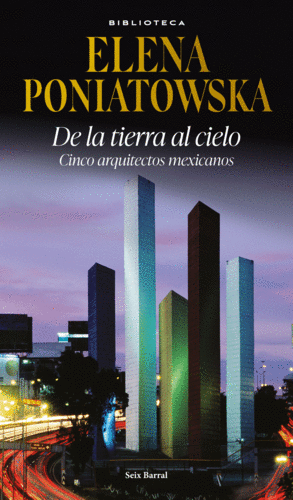

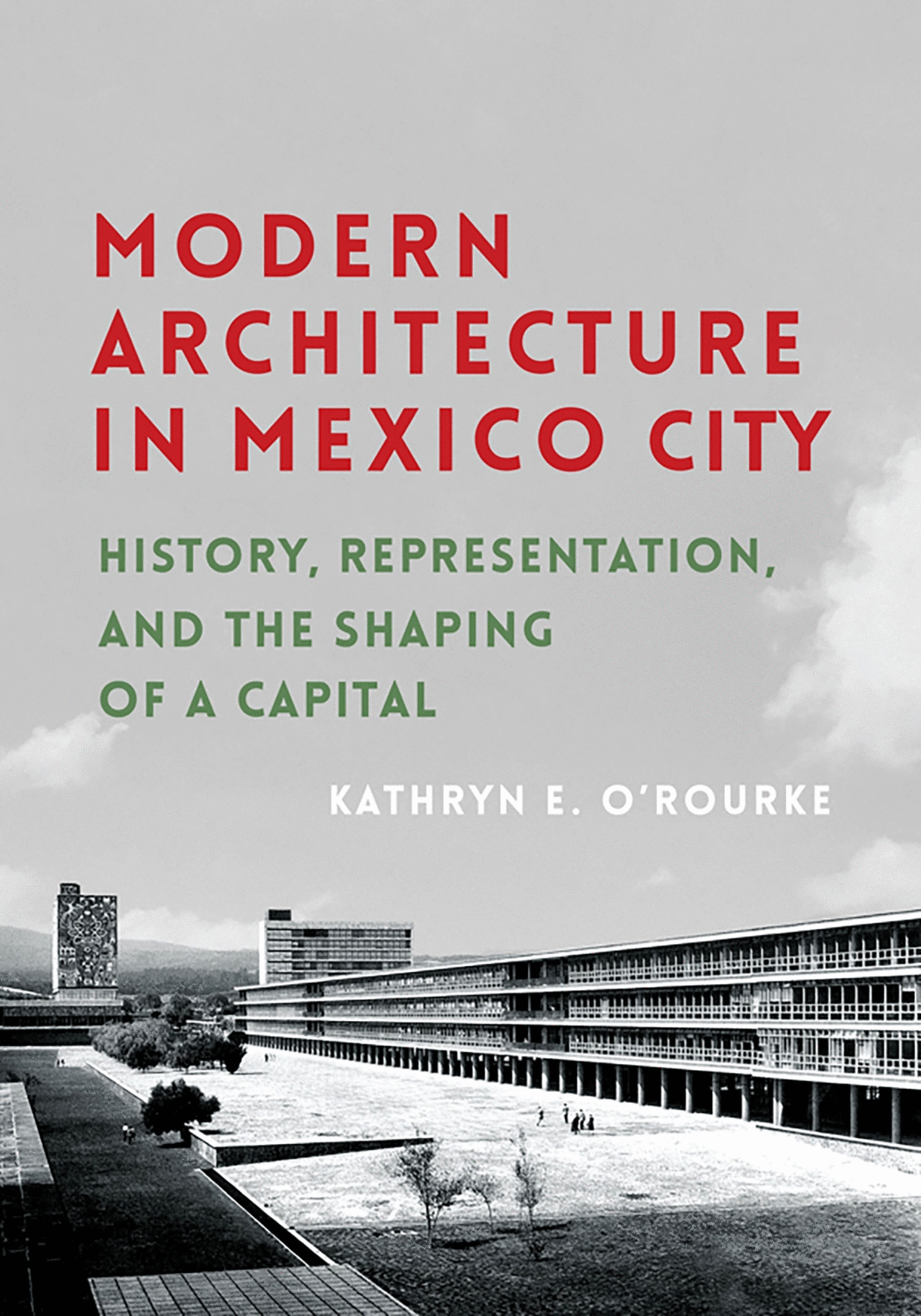
Mexico City became one of the centers of architectural modernism in the Americas in the first half of the twentieth century. Invigorated by insights drawn from the first published histories of Mexican colonial architecture, which suggested that Mexico possessed a distinctive architecture and culture, beginning in the 1920s a new generation of architects created profoundly visual modern buildings intended to convey Mexico’s unique cultural character. By midcentury these architects and their students had rewritten the country’s architectural history and transformed the capital into a metropolis where new buildings that evoked pre-conquest, colonial, and International Style architecture coexisted.
Through an exploration of schools, a university campus, a government ministry, a workers’ park, and houses for Diego Rivera and Luis Barragan, Kathryn O’Rourke offers a new interpretation of modern architecture in the Mexican capital, showing close links between design, evolving understandings of national architectural history, folk art, and social reform. This book demonstrates why creating a distinctively Mexican architecture captivated architects whose work was formally dissimilar, and how that concern became central to the profession.
This book could not come at a better time. It will make a valuable contribution to our understanding of the importance of architectural history within the production of modern architecture in Mexico, and it will fill a noticeable lacuna in the English language historiography of modern architecture in Latin America.Luis E. Carranza, author of Modern Architecture in Latin America: Art, Technology, and Utopia
Advertencia: Las existencias de nuestro sistema no son precisas al 100%, por lo que antes de dirigirte a una de nuestras sucursales, te recomendamos que llames por teléfono para confirmar su disponibilidad.